RSMS

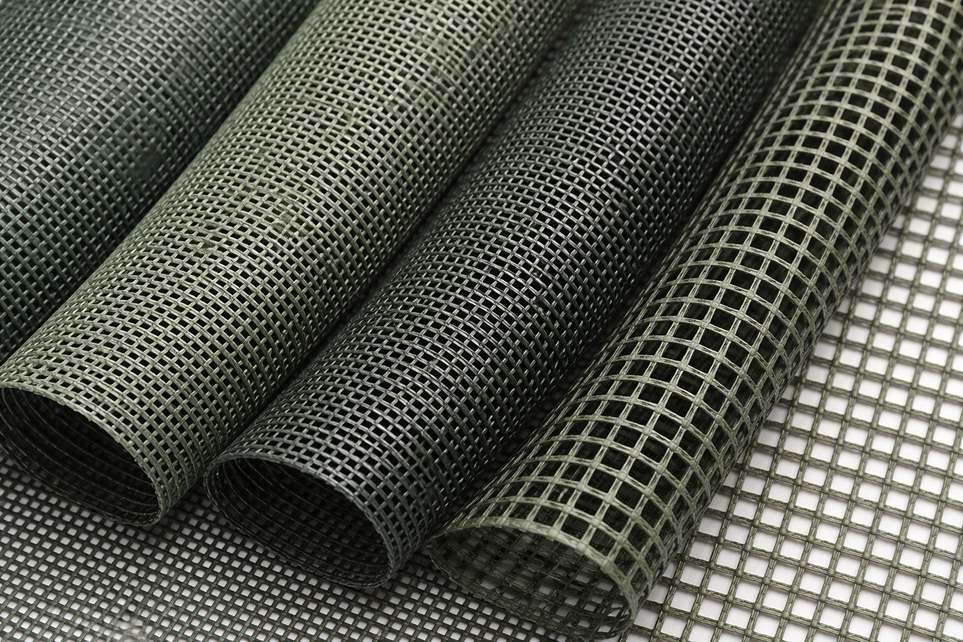
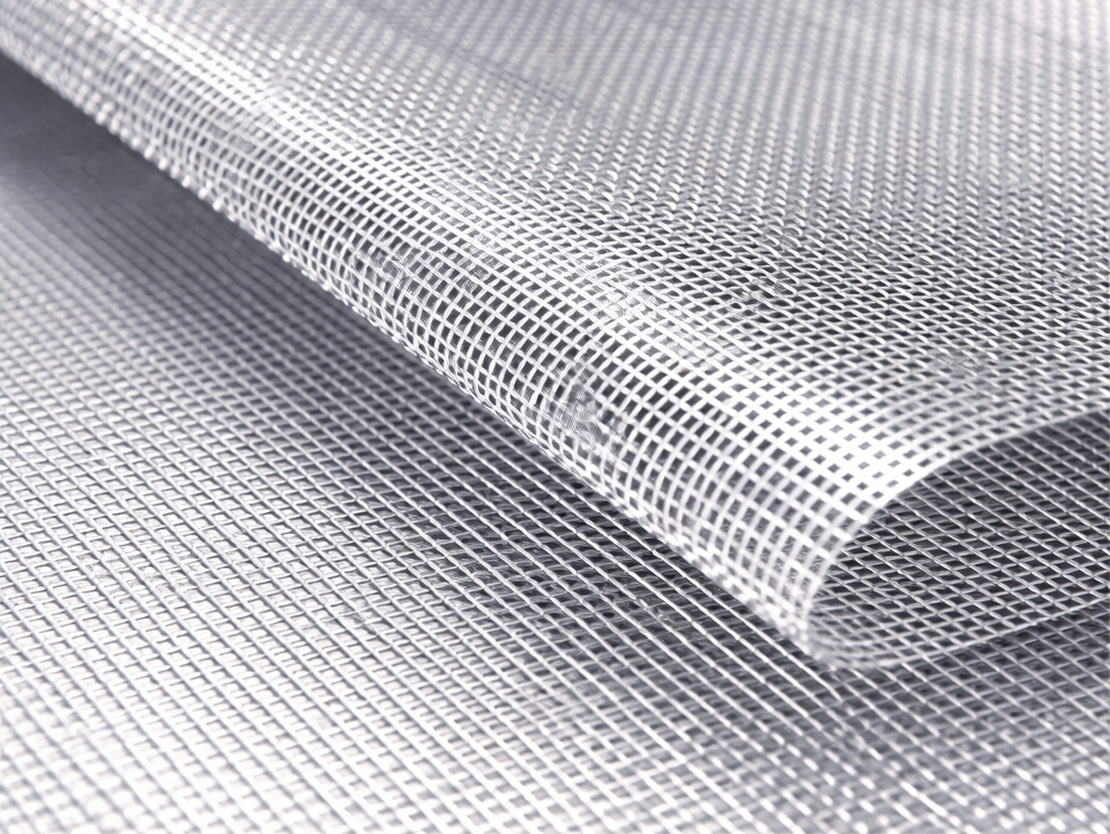
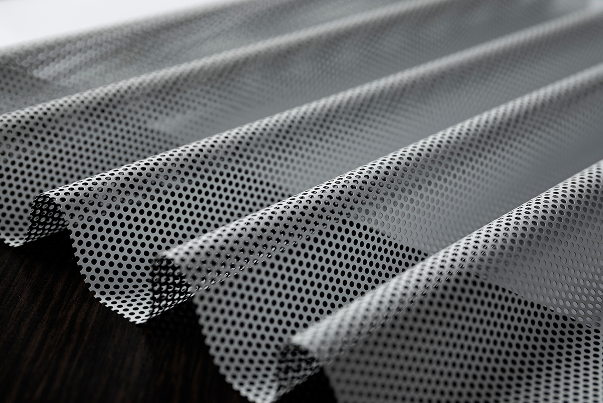
SheerWeave® Style 4901/4903 is a high-performance solar control fabric designed to provide superior UV protection, heat reduction, and privacy, making it an ideal choice for both residential and commercial applications.

SheerWeave® Style 4901/4903 Colors

U58 eco/ Chalk
U59 eco/ Alabaster
U62 eco/ Granite
U64 eco/ Ash
U65 eco/ Ebony

Request
Swatch
Samples

SheerWeave® Style 4901/4903 Privacy

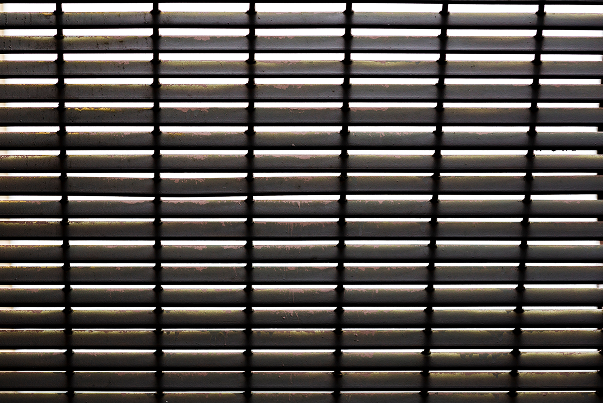
SheerWeave® Style 4901/4903 fabrics are designed to provide superior privacy without sacrificing natural light. With their advanced weave structure, these fabrics ensure daytime privacy by preventing outsiders from seeing into the space, while still allowing those inside to enjoy an unobstructed view of the outdoors. Whether for residential or commercial applications, SheerWeave® Style 4901/4903 offers a perfect balance of privacy, light control, and solar protection.

Petroleum Savings & Greenhouse Gas Avoidance Calculator

SheerWeave® Style 4901/4903 fabrics are not only designed to provide superior privacy, solar control, and UV protection, but they also play a significant role in reducing petroleum consumption and avoiding greenhouse gas (GHG) emissions. By improving energy efficiency in buildings, these fabrics help reduce the reliance on petroleum-derived energy sources for both cooling and heating systems, contributing to a more sustainable environment.

Shade Material​ Petroleum Savings​ CO2/Greenhouse
Gas Avoidance
SheerWeave® Style 4901/4903
0 gallons​
0 pounds
Petroleum savings and greenhouse gas avoidance are approximate

Petroleum Savings

SheerWeave® Style 4901/4903 fabrics contribute to significant petroleum savings by improving energy efficiency in buildings, particularly by reducing the need for air conditioning and heating systems. Here’s how these fabrics help achieve petroleum savings.

CO2 Savings

SheerWeave® Style 4901/4903 fabrics contribute to the reduction of carbon dioxide (CO2) emissions by enhancing the energy efficiency of buildings. By minimizing the need for cooling and heating, these fabrics reduce overall energy consumption, which directly leads to lower CO2 emissions, especially from energy sources that rely on fossil fuels like coal, natural gas, and petroleum.

Related Products

Scroll to Top