RSMS

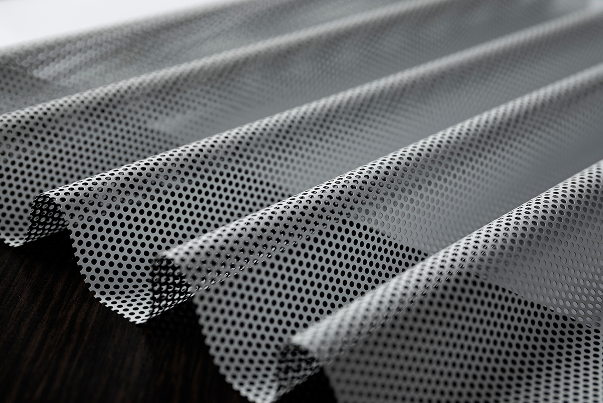
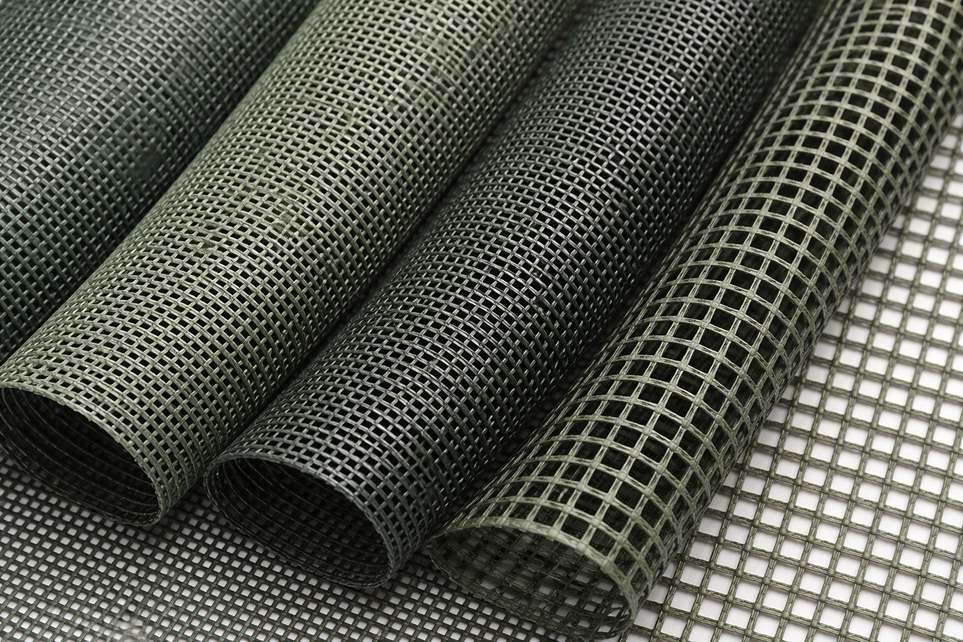
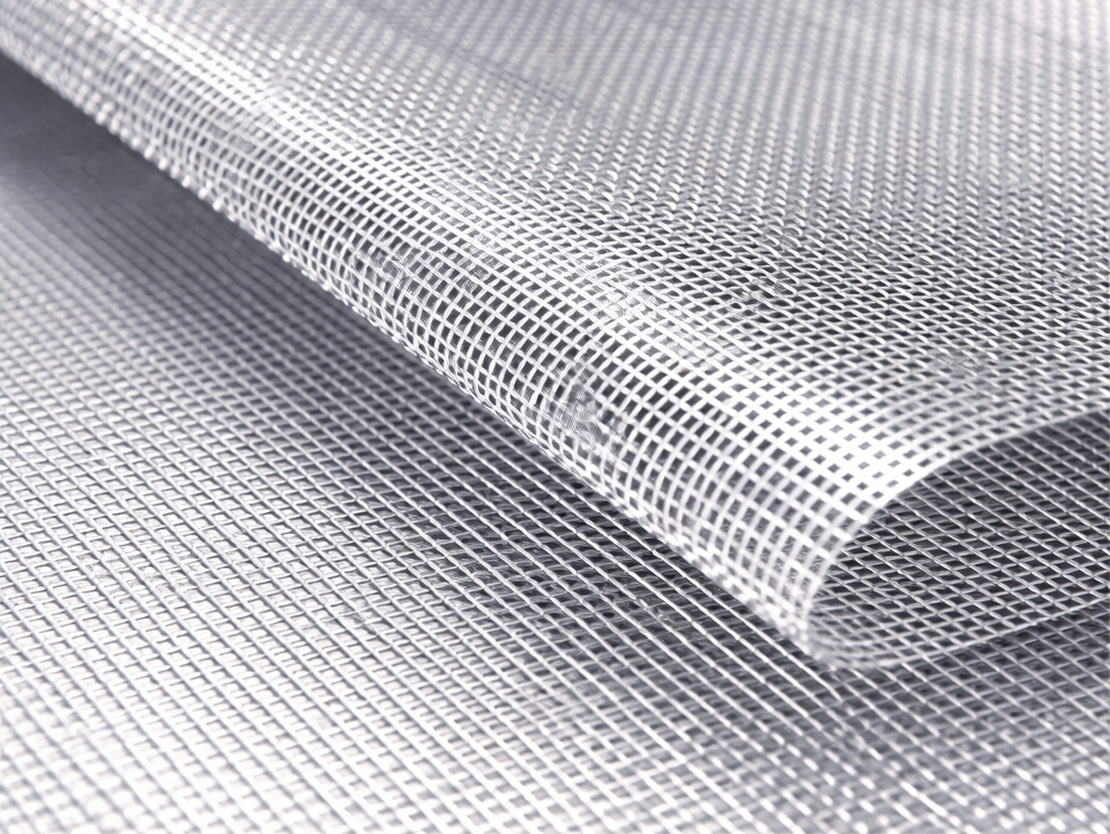
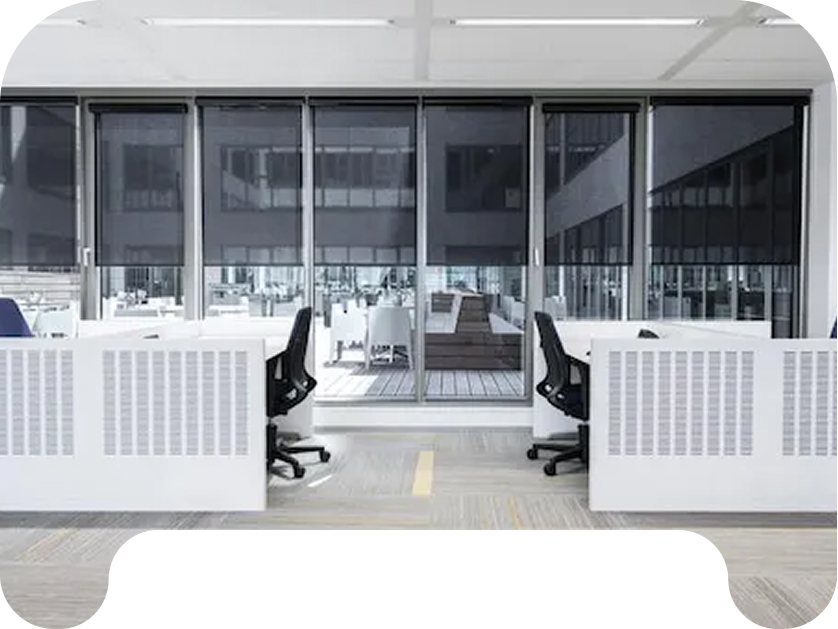
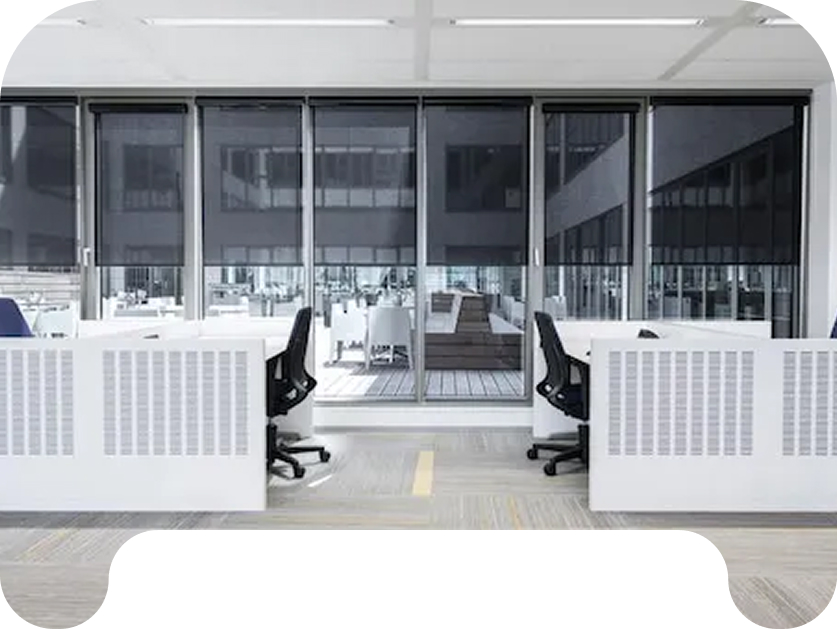
SheerWeave® Style 2500, 2410, 2390, and 2360 are high-performance solar control fabrics designed to enhance the energy efficiency, comfort, and aesthetics of both residential and commercial spaces. 

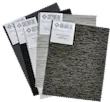
SheerWeave® Style 2500/2410/2390/2360 Colors
U58 eco/ Chalk
U59 eco/ Alabaster
U62 eco/ Granite
U64 eco/ Ash
U65 eco/ Ebony

Request
Swatch
Samples

SheerWeave® Style 2500/2410/2390/2360 Privacy

SheerWeave® Style 2500, 2410, 2390, and 2360 are high-performance fabrics that provide exceptional privacy while allowing natural light to filter through. Designed with a unique weave structure, these fabrics ensure daytime privacy by blocking the view from the outside while still offering clear visibility to the outside. This makes them an ideal choice for both residential and commercial spaces where privacy is important without compromising on daylight or views.

Petroleum Savings & Greenhouse Gas Avoidance Calculator

SheerWeave® Style 2500/2410/2390/2360 fabrics contribute significantly to reducing petroleum consumption and greenhouse gas (GHG) emissions in buildings. These fabrics improve energy efficiency by controlling solar heat gain, reducing the need for air conditioning and heating systems. By lowering energy demand, they help mitigate the environmental impact of building operations, contributing to petroleum savings and CO2 reduction.

Shade Material​ Petroleum Savings​ CO2/Greenhouse
Gas Avoidance
SheerWeave® Style 2500/2410/2390/2360
0 gallons​
0 pounds
Petroleum savings and greenhouse gas avoidance are approximate

Petroleum Savings

SheerWeave® Style 2500/2410/2390/2360 contributes significantly to petroleum savings by improving energy efficiency in buildings. These fabrics reduce the demand for energy-intensive systems such as air conditioning and heating, which are often powered by electricity generated from petroleum-based sources. Here’s how SheerWeave® Style 2500/2410/2390/2360 helps save petroleum.

CO2 Savings

SheerWeave® Style 2500/2410/2390/2360 contributes to significant CO2 savings by improving energy efficiency in buildings and reducing the need for energy-intensive heating and cooling systems. The fabric’s ability to reduce solar heat gain and minimize heat loss helps lower the overall energy consumption in buildings, resulting in a reduction in the CO2 emissions associated with energy production.

Related Products

Scroll to Top